
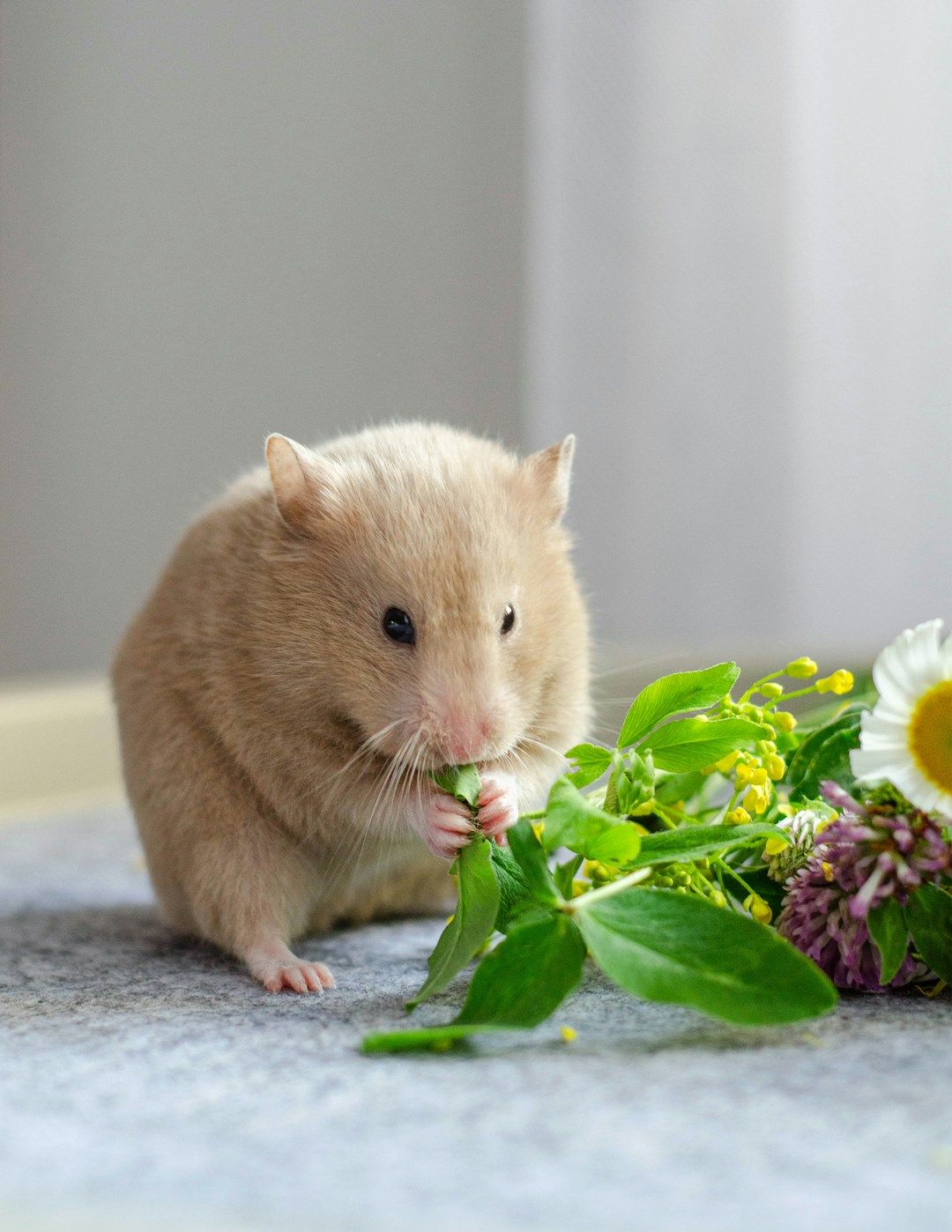
Caring for animals goes hand in hand with caring for the planet. From sustainable feeding to reducing waste, small changes in animal husbandry practices can make a big difference. With growing awareness of climate change and resource use, the demand for eco-friendly animal care is rising among pet owners, rescue centres and professionals alike.
Why Sustainability Matters in Animal Care
Animal care facilities, farms and even home setups can have a large environmental footprint — energy use, waste production and unsustainable sourcing all contribute. By adopting greener habits, we not only protect the environment but also create healthier, safer conditions for the animals themselves. Eco-friendly doesn’t mean expensive or complicated; it simply means being mindful and making conscious, practical choices.
Sustainable Steps You Can Take Today
A simple but powerful place to start is with feed and bedding. Opt for suppliers that use locally sourced, ethically produced ingredients, as this reduces transport emissions and supports local agriculture. Many professionals are now exploring insect-based protein or plant-based alternatives for suitable species — both are highly nutritious and far more environmentally efficient than traditional options. Likewise, switching to compostable bedding such as hemp, paper or straw eliminates unnecessary waste and supports a more circular system of reuse and recycling.
Reducing plastic and packaging waste is another easy win. Buying feed and supplies in bulk cuts down on single-use packaging, while reusing containers for storage or enrichment keeps materials in circulation. Choosing refillable or recyclable cleaning and grooming products also helps reduce landfill waste without compromising hygiene or safety.
Energy and water conservation make a real difference in animal care environments. Installing timers or thermostats helps regulate heating and lighting efficiently, while LED lights offer lower-energy alternatives for reptile or small-mammal housing. For outdoor areas, rainwater can be collected and reused for cleaning or watering plants, reducing demand on mains supply.
Hygiene is another area where sustainability and welfare meet. Switching to non-toxic, biodegradable cleaning agents keeps enclosures safe for animals with sensitive respiratory systems and reduces chemical run-off into drains or natural habitats. Steam cleaning, where possible, offers an effective, chemical-free method that saves water and energy.
Finally, supporting local and ethical suppliers strengthens both the environment and the community. Buying locally reduces the carbon footprint associated with transport and ensures products are fresher. Seek out businesses that are transparent about sourcing and accredited for animal welfare and environmental standards — it’s a small change that builds big trust.
The Welfare Connection
Sustainability and welfare are closely linked. Cleaner environments with reduced chemical exposure improve respiratory health in birds and small mammals. Recycled or natural materials provide safe, stimulating enrichment. Even simple changes, like reducing artificial lighting, can support natural circadian rhythms in reptiles and nocturnal species.
Building a Greener Future in Animal Care
Eco-friendly husbandry is an evolving field — with innovations such as solar-powered heating for enclosures, water-recycling systems and sustainable enrichment materials leading the way. By making sustainability part of everyday care, animal professionals can set an example that benefits both animals and the planet.
Whether you’re managing a rescue centre, veterinary practice or home setup, adopting sustainable principles shows a genuine commitment to long-term welfare.
Learn More with Animal Ed At Animal Ed, we’re dedicated to helping the next generation of animal care professionals work smarter, cleaner, and greener. Through the Animal Ed. Subscription, you’ll gain unlimited access to expert-led short courses on sustainable husbandry, welfare innovation, and responsible animal care.
👉 Find out more at www.animal-ed.com
and take the next step toward a more sustainable, compassionate approach to animal care.
