
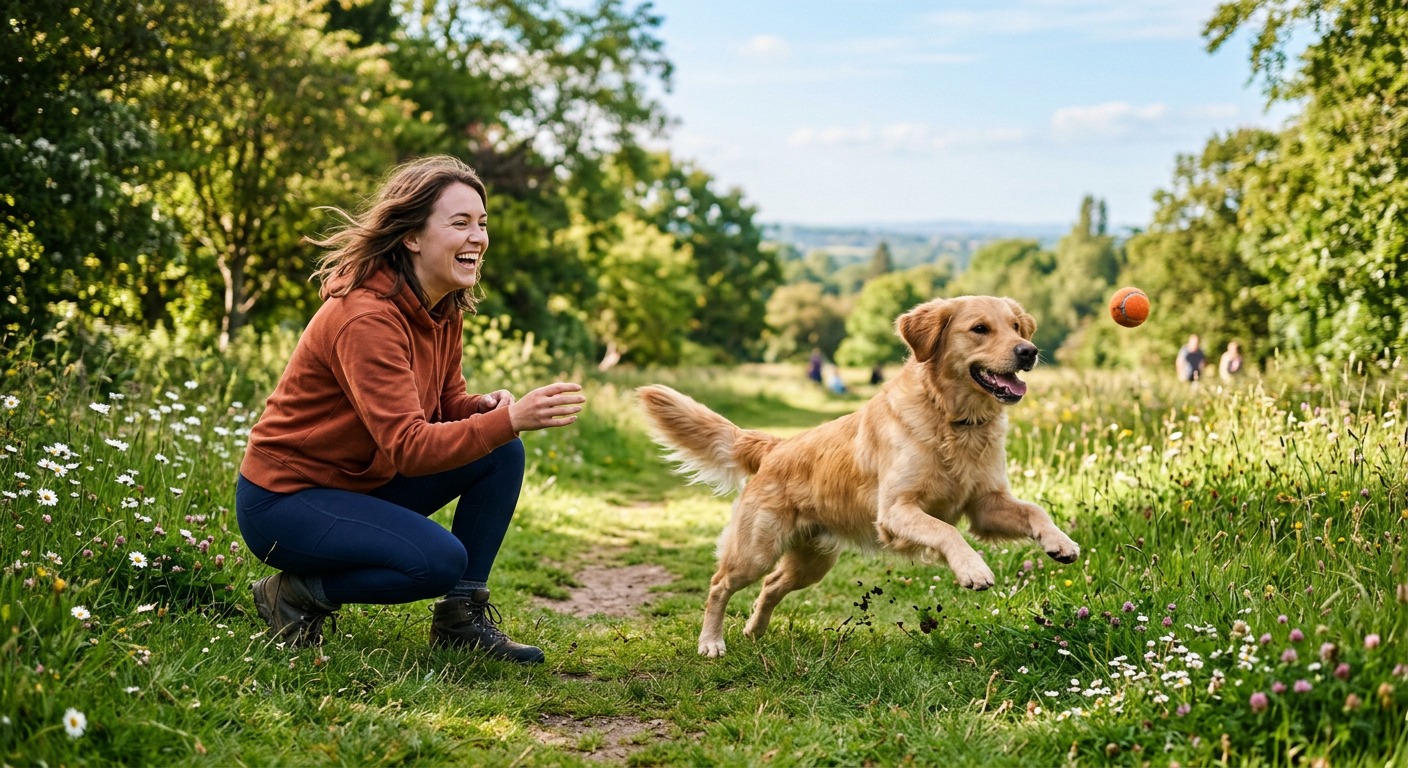
April brings longer days, warmer temperatures and a noticeable shift in pet behaviour. With more time spent outdoors and increased environmental stimulation, it’s important for both pet owners and professionals to adapt routines and stay aware of seasonal risks.
At Animal Ed, we support practical, evidence-based pet care training and animal care education to help you confidently manage these changes.
🌼 1. Seasonal Allergies in Pets
Just like humans, pets can suffer from spring allergies. Common signs include: itching, licking or chewing paws red or inflamed skin watery eyes ear irritation If symptoms persist, veterinary advice is essential. Managing allergies early improves comfort and prevents secondary infections.
🐕 2. Increased Reactivity & Overstimulation
With more dogs, people and wildlife outdoors, pets can become more reactive or distracted. You may notice: pulling on the lead barking at other dogs reduced recall reliability heightened excitement levels This is a great time to revisit pet behaviour training, focusing on calm engagement and focus exercises.
🌿 3. Garden & Outdoor Safety
April is peak gardening season — but this can introduce hazards: fertilisers and weed killers slug pellets compost bins toxic plants (including bulbs and new growth) Ensure pets are supervised in newly treated areas and avoid exposure to chemicals wherever possible.
🐜 4. Parasite Peak Season
Fleas and ticks become more active in April. Prevention tips: maintain regular flea and worming treatments check pets after walks wash bedding regularly Parasite control is a key part of responsible animal care education.
🧠 5. Channel Energy Into Enrichment
With increased energy levels, pets benefit from structured outlets. Try: recall games scent trails agility-style play short, focused training sessions This helps prevent frustration behaviours and supports mental wellbeing.
⭐ Keep Building Skills with Animal Ed
Spring is the ideal time to refresh your knowledge and strengthen your approach to pet care training. At Animal Ed, our courses support both owners and professionals in delivering safe, confident, welfare-focussed care.
🌼 1. Seasonal Allergies in Pets
Just like humans, pets can suffer from spring allergies. Common signs include: itching, licking or chewing paws red or inflamed skin watery eyes ear irritation If symptoms persist, veterinary advice is essential. Managing allergies early improves comfort and prevents secondary infections.
🐕 2. Increased Reactivity & Overstimulation
With more dogs, people and wildlife outdoors, pets can become more reactive or distracted. You may notice: pulling on the lead barking at other dogs reduced recall reliability heightened excitement levels This is a great time to revisit pet behaviour training, focusing on calm engagement and focus exercises.
🌿 3. Garden & Outdoor Safety
April is peak gardening season — but this can introduce hazards: fertilisers and weed killers slug pellets compost bins toxic plants (including bulbs and new growth) Ensure pets are supervised in newly treated areas and avoid exposure to chemicals wherever possible.
🐜 4. Parasite Peak Season
Fleas and ticks become more active in April. Prevention tips: maintain regular flea and worming treatments check pets after walks wash bedding regularly Parasite control is a key part of responsible animal care education.
🧠 5. Channel Energy Into Enrichment
With increased energy levels, pets benefit from structured outlets. Try: recall games scent trails agility-style play short, focused training sessions This helps prevent frustration behaviours and supports mental wellbeing.
⭐ Keep Building Skills with Animal Ed
Spring is the ideal time to refresh your knowledge and strengthen your approach to pet care training. At Animal Ed, our courses support both owners and professionals in delivering safe, confident, welfare-focussed care.
