
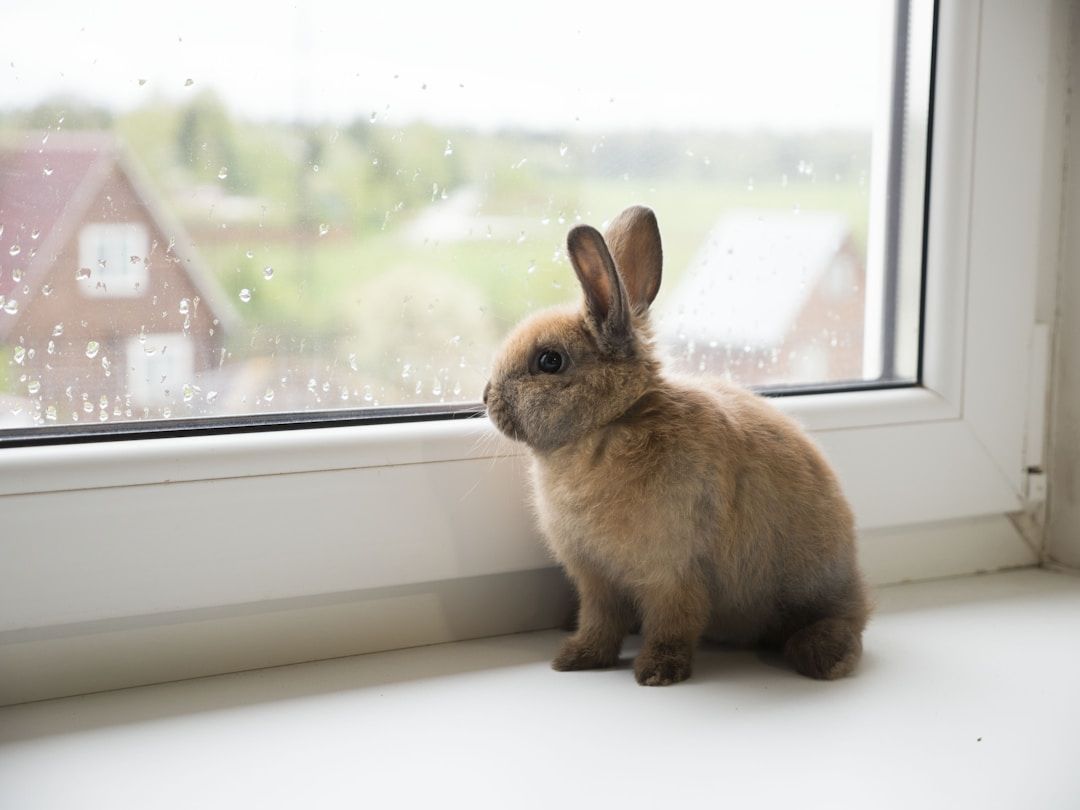
Rabbits, guinea pigs, hamsters and other small mammals are among the most commonly surrendered or rescued pets in the UK. Their welfare needs are often misunderstood and successful rehabilitation requires both knowledge and compassion. Whether you’re an animal care professional, volunteer or devoted pet owner, understanding the key principles of rehabilitation and re-homing is vital to giving these animals the second chance they deserve.
Building Trust Through Gentle Handling
Many rescued small mammals arrive fearful or under-socialised. Gentle, consistent handling is essential to rebuilding trust. Short, positive interactions — paired with quiet voices and calm movements — help reduce stress and encourage curiosity. Over time, this approach supports both behavioural recovery and improved human-animal bonds.
Creating the Right Environment
A safe, spacious and enriched environment promotes both physical recovery and emotional wellbeing. Provide ample hiding spots, natural substrates for digging or nesting and chew toys that encourage natural behaviours. Avoid wire-bottomed cages and cramped hutches; instead, opt for setups that mimic natural habitats and allow for free movement.
Nutrition and Health Care
Proper diet is critical in rehabilitation. High-fibre forage for rabbits and guinea pigs supports gut health, while balanced pellet feeds and fresh produce meet essential vitamin requirements. Regular veterinary checks and parasite control help ensure full recovery before re-homing.
Preparing for a Successful Re-home
Before re-homing, small mammals should be fully recovered, socialised and matched to appropriate homes. Conducting home checks, providing care guidance and educating adopters about species-specific needs helps prevent repeat surrenders. A thorough handover process ensures new owners understand housing, diet and enrichment expectations from day one.
Long-Term Impact of Ethical Re-homing
Every successful re-home story contributes to better welfare standards and community awareness. By prioritising education, transparency and empathy, we can reduce neglect and build a stronger culture of responsible ownership.
Learn More with Animal Ed At Animal Ed, we’re passionate about improving animal welfare through accessible, evidence-based education. Through the Animal Ed. Subscription, you’ll gain unlimited access to short, expert-led courses covering small-mammal husbandry, enrichment, behaviour, and rehabilitation best practice.
👉 Explore more at www.animal-ed.com
and learn how to support every animal’s journey from rescue to recovery.
