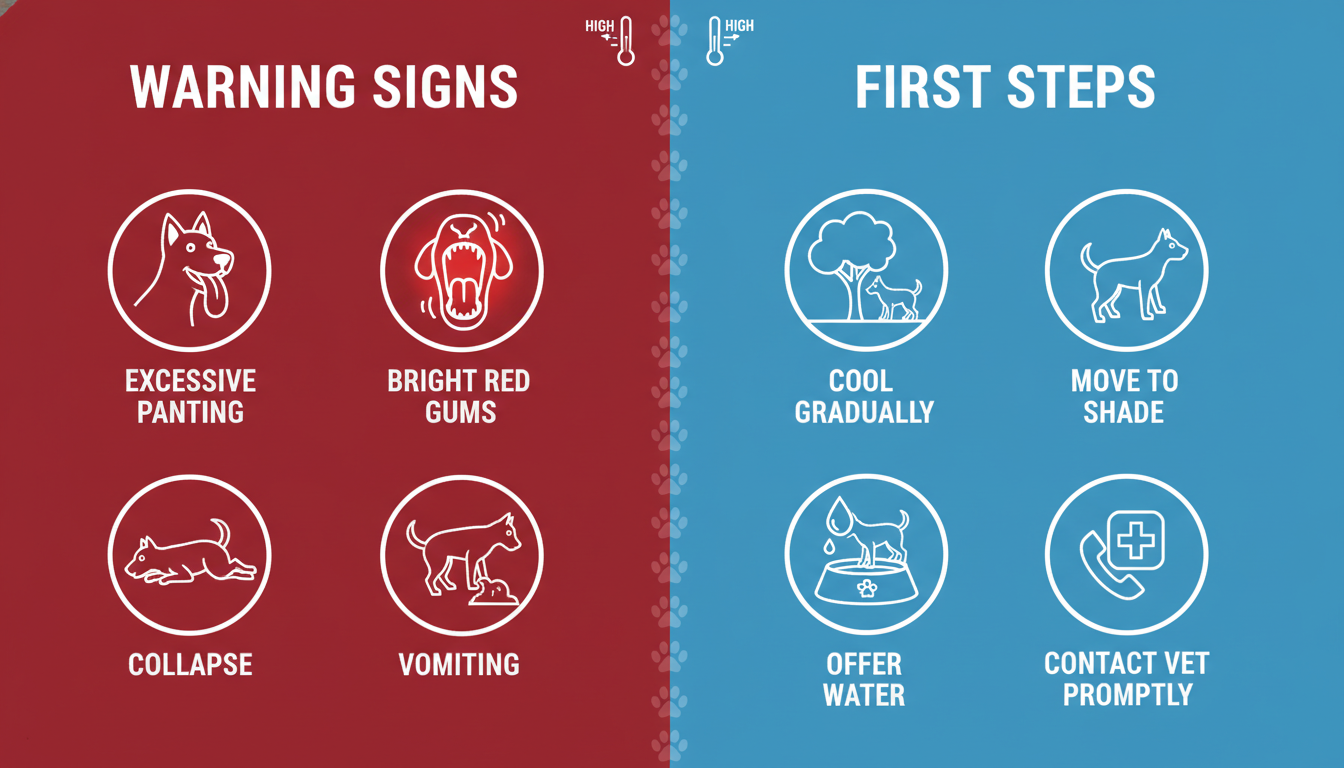
It’s 22°C outside, the pavement feels normal under your shoes, and your dog looks fine at the start. Halfway home, the panting shifts from “post-squirrel excitement” to fast, constant breathing, and you notice their tongue getting wider and darker.
Also, this can happen faster than people expect because dogs cool themselves mainly by panting, not sweating. If the air is warm and still, or your dog is pushing the pace, panting may stop being enough within minutes, especially on a sunny route with little shade.
Here’s why: heat load can stack up quickly, even when the temperature sounds mild. Common triggers during a regular walk include:
Blacktop, concrete, and brick radiating heat back up
Direct sun on a short-haired or dark-coated dog
A “just a quick loop” pace that stays brisk the whole way
A dog that is brachycephalic (short-nosed), overweight, older, or wearing a muzzle that restricts full panting
Stopping at corners, crossings, or sniff spots where there’s no airflow
Here’s the catch: the same walk that works at 8am can be a problem at 1pm. If you do one thing, make your default in warm months a shorter route with an easy exit plan, so you can turn back within 5 minutes if panting ramps up.
If you’re short on time, skip the long loop and do a 10 to 15 minute sniff walk in shade instead, then add indoor play when you’re home. A common mistake is waiting until your dog lies down or refuses to move; the fix is to treat “panting suddenly gets heavy halfway through” as your early warning to slow down, find shade, and head home.
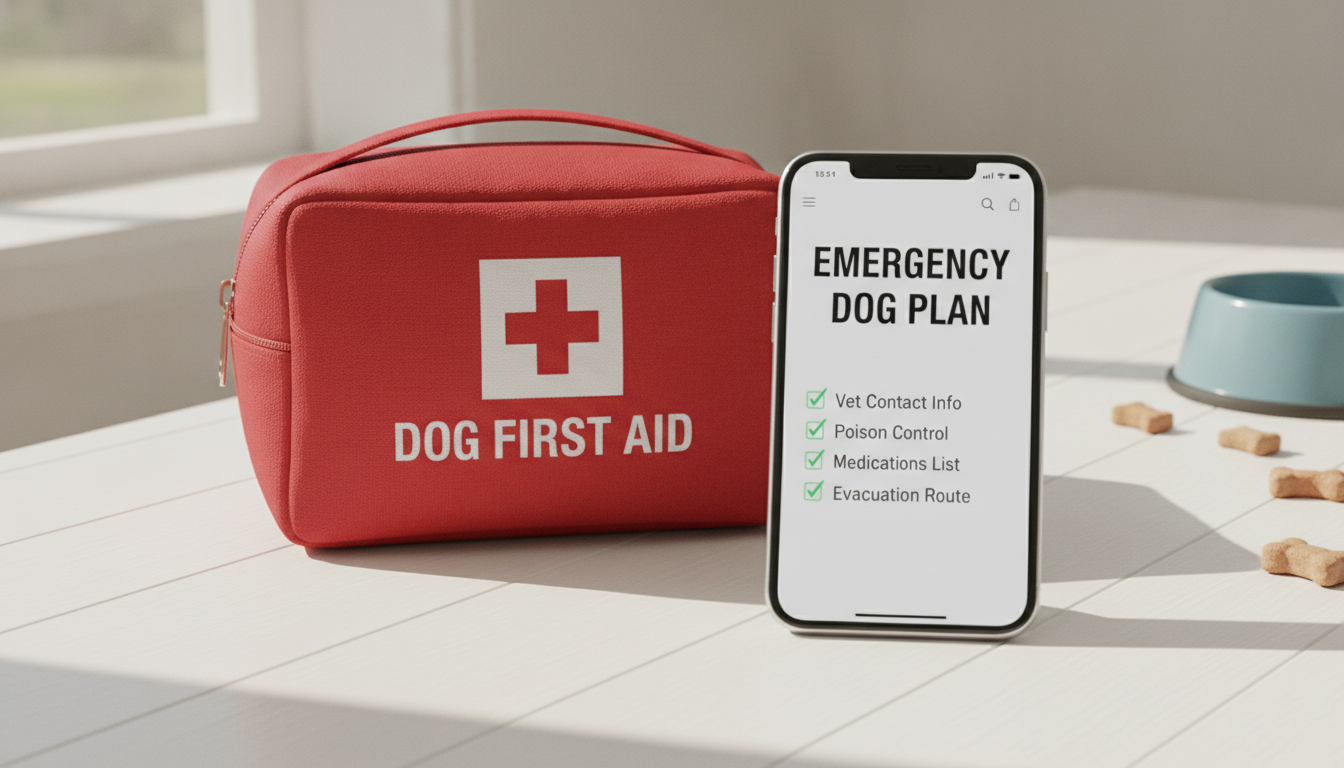
Next, you’ll set up a simple daily hot-weather plan you can repeat in under 2 minutes before each outing, plus what to do right away if your dog is already overheating.