
As awareness of sustainability grows, it’s not just humans thinking about eco-friendly food choices — animal care professionals and pet owners are doing the same. In recent years, natural and sustainable feeding practices have become a major focus in animal husbandry, reshaping how we care for small mammals, birds and reptiles.
A Shift Toward Natural Diets
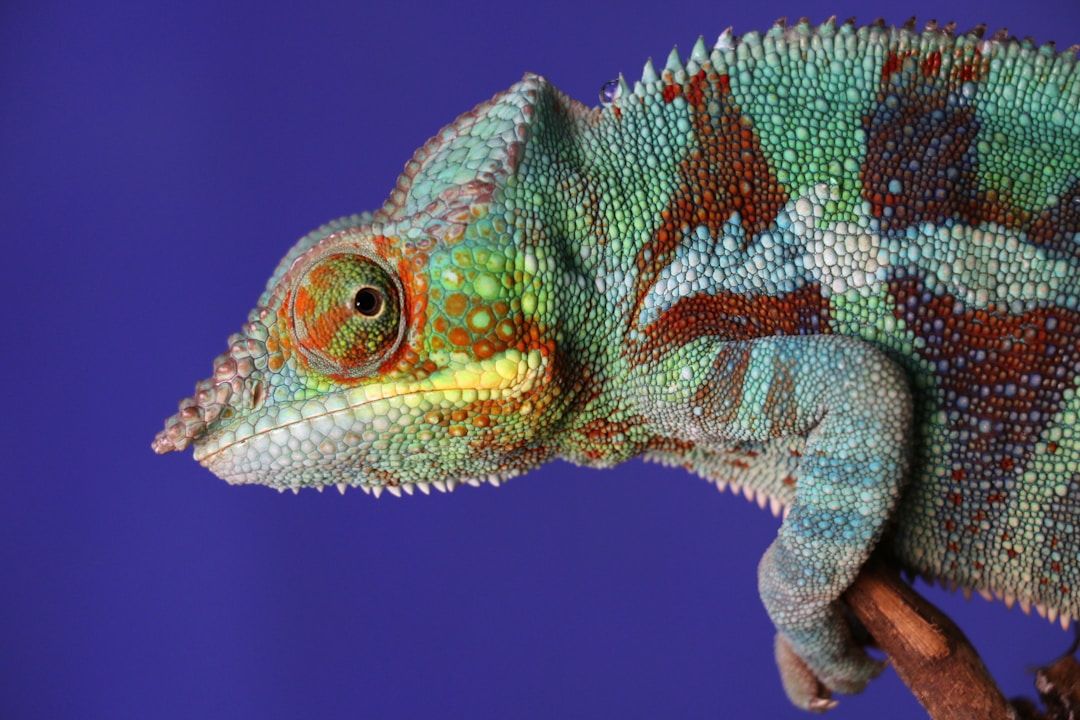
Modern pet nutrition is moving away from highly processed feeds toward more species-appropriate and natural diets. For rabbits, guinea pigs and other herbivores, this means fresh, high-fibre forages and a closer replication of what they’d eat in the wild. Reptile and bird diets are also becoming more balanced and enriched — with keepers paying greater attention to variety, nutrient balance and natural feeding behaviours.
Sustainable Ingredients and Responsible Sourcing
Sustainability is about more than packaging — it’s also about the ingredients themselves. Many feed producers now use insect protein, locally sourced vegetables and organic grains to reduce environmental impact. Choosing brands that prioritise ethical farming and recyclable packaging supports both the planet and animal welfare.
Reducing Waste in Animal Husbandry
Simple changes, such as buying in bulk, using compostable bedding and repurposing food scraps safely, can reduce waste in animal care settings. For exotic pets, feeding practices that mimic natural hunting or foraging also minimise overfeeding and food waste while improving enrichment and wellbeing.
Health Benefits for Pets and the Planet
Natural feeding not only benefits the environment — it supports better digestion, healthier coats, and more balanced behaviour in animals. Many owners and professionals report seeing calmer, more active pets when diets are aligned with their species’ natural needs.
Learn More with Animal Ed. At Animal Ed. we are passionate about promoting sustainable, ethical and effective animal care. Our Animal Ed. Subscription gives you unlimited access to expert-led short courses covering feeding, enrichment, husbandry and welfare for dogs, cats, birds, reptiles and small mammals.
👉 Start your learning journey today at www.animal-ed.com
and help shape a greener, healthier future for animal care.
