
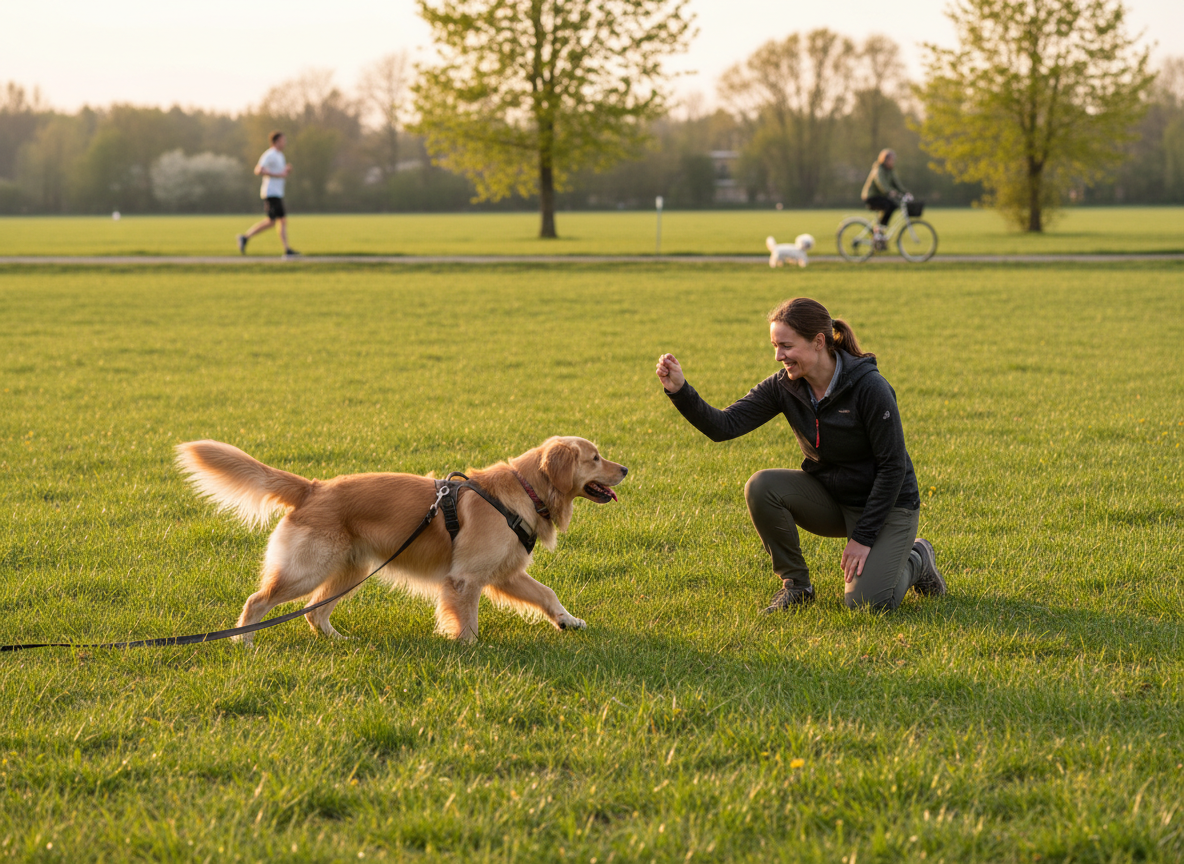
A new year brings new routines, goals and opportunities — not just for people, but for pets as well. January is the perfect time to reflect on your pet’s behaviour, daily habits and emotional wellbeing and to build positive routines that support a calmer, happier companion.
At Animal Ed, we believe that better behaviour grows from understanding, patience and science-based training. Here are practical ways to make this the year your pet thrives.
🐾 Think habits, not perfection
Lasting behaviour change does not come from one long training session. It develops from small, repeatable habits that become part of everyday life.
Aim for:
- short, frequent training sessions
- one skill at a time
- practice in different environments
- ending sessions on a positive note
Consistency builds confidence and prevents frustration — for both you and your pet.
🎯 Choose simple, realistic goals
Pick one or two behaviours to focus on this month rather than trying to address everything at once. Good starting goals often include:
- loose-lead walking
- recall
- calm greetings
- settling and relaxing on cue
- confidence around new environments, sights and sounds
Clear goals make progress visible and rewarding.
🍖 Reward the behaviours you want
Positive reinforcement training is the most effective and welfare-friendly way to teach pets. Instead of punishing unwanted behaviour, reward the behaviour you want to see repeated.
Useful rewards include:
- food treats
- toys
- gentle praise
- brief play sessions
- opportunities to sniff or explore
Reward-based training strengthens your relationship and builds trust.
🧠 Boost mental stimulation
January often means shorter days and limited outdoor activity. Mental enrichment is essential to avoid boredom behaviours such as barking, chewing, over-grooming or restlessness.
Consider:
- puzzle feeders
- snuffle mats
- scent games
- trick training
- supervised chew enrichment
A mentally stimulated pet is calmer, more focused and easier to train.
🐕 Expect a post-holiday adjustment period
After the excitement and routine changes of Christmas, some pets experience:
- difficulty settling
- increased attention-seeking
- disrupted sleep and feeding patterns
- separation challenges as owners return to work
These issues are common and usually temporary. Predictable routines, patient training and gentle guidance support a smooth transition back to normality.
⭐ Take the next step: Visit our Introduction to Dog Behaviour course.
If you would like structured support in understanding why dogs behave the way they do — and how to help them make better choices — our course:
An Introduction to Dog Behaviour is an excellent next step.
You will learn:
- how dogs learn and communicate
- common causes of behaviour problems
- the role of stress, environment and routine
- practical strategies for everyday training
- welfare-focused, ethical behaviour support
You can find the course here: https://animal-ed.com/course/an-introduction-to-dog-behaviour
It is ideal for pet owners, beginner trainers and anyone wanting a solid foundation in modern, science-based dog behaviour.
✔ Make this the year of calm, confidence and connection
Small, consistent habits — supported by the right knowledge — can transform life with your dog. Focus on progress rather than perfection, and remember that behaviour change takes time, patience and compassion.
